
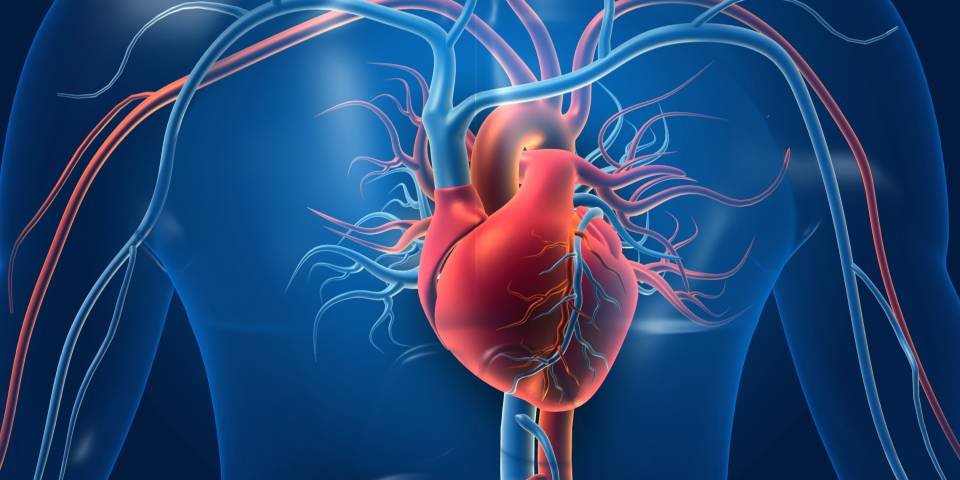
Heart Health Matters: 7 Early Signs You Should Visit a Cardiologist Today
🕒 Published on: 09 Jul 2025, 07:13 AM❤️ Introduction
Heart disease is one of the leading causes of death worldwide — yet most heart problems can be prevented with timely checkups and lifestyle changes. In this blog, we’ll explore 7 early signs that indicate you should consult a cardiologist, plus some simple steps to keep your heart strong.
🔍 1. Chest Discomfort or Pressure
If you often feel tightness, heaviness, or mild pain in your chest, don’t ignore it. These can be early signs of blocked arteries or angina. Even if it lasts a few minutes and disappears, get a cardiac evaluation immediately.
💨 2. Shortness of Breath on Mild Activity
Feeling breathless while climbing stairs or walking a short distance may signal heart weakness or fluid buildup. It’s a red flag that needs medical attention from a cardiologist.
⚡ 3. Irregular Heartbeats or Palpitations
If your heart feels like it’s “skipping a beat” or racing suddenly, it could be due to arrhythmia. Modern ECG and Holter monitoring can detect rhythm issues early.
😴 4. Extreme Fatigue or Weakness
Constant tiredness, even after rest, may mean your heart isn’t pumping efficiently. Heart failure in early stages often feels like general tiredness — don’t ignore it.
🦶 5. Swelling in Feet or Ankles
Fluid retention in your legs or ankles could be a sign of poor circulation or heart failure. A cardiologist can perform an echocardiogram to confirm the cause.
🧠 6. Dizziness or Fainting
Sudden lightheadedness might indicate low blood flow to the brain or irregular heartbeat. Ignoring these episodes can be dangerous.
🍔 7. Family History & Lifestyle Risks
If heart disease runs in your family or if you smoke, have diabetes, or high cholesterol, regular cardiac screening is essential — even if you have no symptoms.
🩸 How to Keep Your Heart Healthy
-
Eat heart-friendly foods: more fruits, vegetables, and whole grains.
-
Exercise at least 30 minutes daily.
-
Limit salt, sugar, and fried foods.
-
Get your blood pressure, cholesterol, and sugar checked every 6 months.
-
Quit smoking and manage stress effectively.
🏥 When to Visit a Cardiologist
Visit a cardiologist if you have persistent chest discomfort, shortness of breath, or fatigue. Early diagnosis saves lives — modern tests like ECG, ECHO, TMT, and angiography make detection quick and safe.
❓ FAQs
Q1. Can stress cause heart problems?
Yes. Chronic stress releases hormones that increase blood pressure and inflammation, raising heart disease risk.
Q2. How often should I visit a cardiologist?
If you’re over 40 or have risk factors (BP, diabetes, obesity), visit at least once a year.
Q3. Are all chest pains heart-related?
No, but it’s best not to take chances — only a cardiac evaluation can confirm the cause.
⭐ Rating: 0 / 5 (0 votes)
0 Likes



Discussion